Workplaces generally overestimate problem solving skills in a leader but very few ( and smart ones) invest in problem framing. And quite candidly, it’s a real superpower, a secret sauce if you will!

Most messy business situations are not straightforward “solve X”. The next layer of questions is where the magic is – What exactly is the problem here? Whose problem is it really? What assumptions are we holding as truth? And are we even asking the right question?
I’ve seen brilliant teams sprint in the wrong direction simply because someone framed the issue incorrectly in the first 5 minutes.
People rush in to optimise costs when the real issue is complexity. The classic escape of training solutions given when the real problem is structure. We fix metrics when the real friction is meaning.
In consulting and in leadership roles, I’ve noticed that the successful leaders aren’t the fastest problem-solvers,
they’re the ones who pause and reframe.
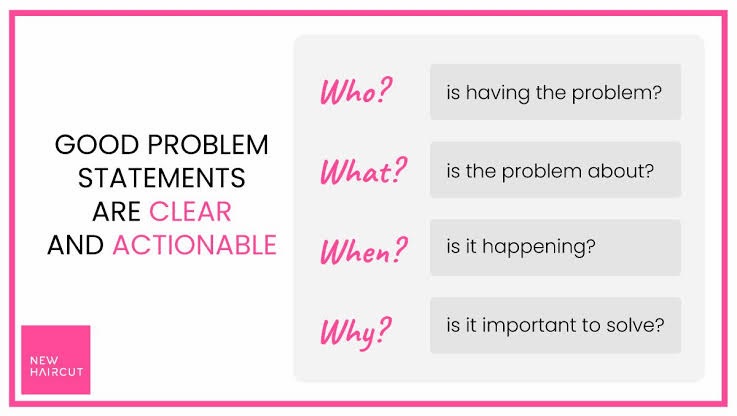
Some examples of reframing that change outcomes instantly:
“How do we reduce attrition?” to “Why are people leaving at this exact moment in our employee lifecycle?”
“How do we increase productivity?” to “What’s blocking people from doing their best work?”
“How do we fix culture?” to “What behaviours are we rewarding right now?”
Did you see what happened there?
The moment you shift the question, new answers suddenly become possible!
If you’re a leader today (or aspiring to be one), start sharpening this muscle – a) challenge the questions, assumptions and framing, and, b) get comfortable sitting in the ambiguity a little r
Because the quality of your solution is directly proportional to the quality of your framing.
And in a world full of people rushing to “fix” the symptom, the ones who slow down will see what everyone else is missing to “cure” the disease.
 Where Strategy Meets Soul
Leave a comment