
“We need a paradigm shift to disrupt the way we use the words ‘paradigm shift’ and ‘disruption’.” 🤦♀️
There was a time when these words carried weight. Today, they’ve become “corporate spices”- sprinkled over a bland strategy to make it taste like innovation.
In workplaces, we see these terms diluted daily. We’ve moved from describing genuine evolution to rebranding minor updates or incremental iterations.
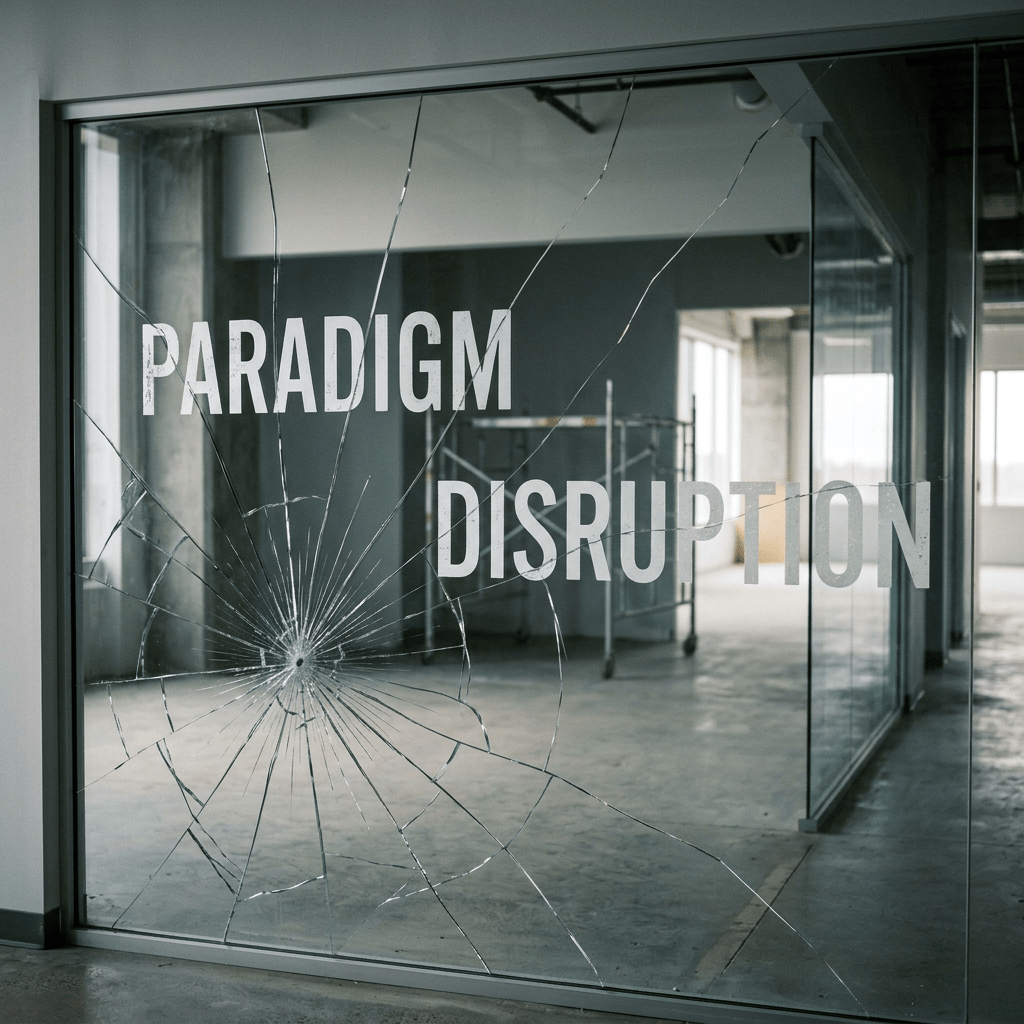
How did we lose the plot? 🤷🏻♀️
The Paradigm Shift: From Science to Slides
Originally, Coined by Thomas Kuhn in 1962, a “paradigm shift” described a fundamental change in the basic concepts of a scientific discipline (like shifting from Newtonian physics to Quantum mechanics). It was meant to be a rare once in a lifetime kind of event. But now – Switching from Excel to a new CRM? “Paradigm shift.” Moving a weekly meeting from Tuesday to Wednesday? “A shift in our operational paradigm.”
When everything is a paradigm shift, nothing is. It becomes a linguistic “cloak” to make the mundane sound visionary.
Disruption: From Strategy to Aesthetic
Clayton Christensen’s “Disruptive Innovation” had a very specific definition: it’s when a smaller company with fewer resources successfully challenges established incumbent businesses. Today, “disruption” is a synonym for “doing things slightly differently.” We see startups claim the title before they even have a validated model. It has shifted from a diagnostic tool to a marketing buzzword.
The Jingoism Factor and the human cost🤳🏻
Why do we do this? Often, these are semantic placeholders. When a concrete plan is missing, these words provide a sense of urgency without the hard work of specific detail. As noted in recent research, this brand of “corporate BS” creates an informational blindfold. It allows people to appear visionary while avoiding the hard questions or hiding a lack of clear strategy.
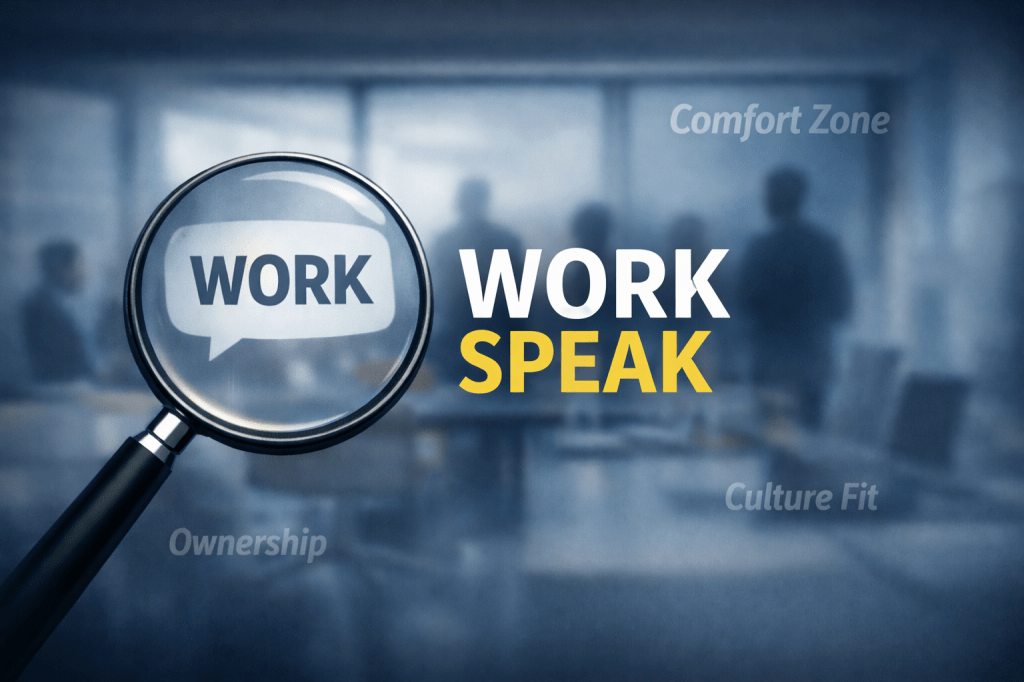
Workplaces need clarity to thrive, and using “Work Speak” to inflate reality erodes true innovation and trust. High-performing tech teams need precision. Buzzwords they have aplenty. If you google corporate bullshit generator you’ll find many a cheeky websites which are decades old build by techies tired of jargons. 😉
Have you noticed a “paradigm shift” lately that was actually just a minor tweak? Or has “disruption” become the new “synergy” in your engineering syncs? 🙄


Leave a Reply